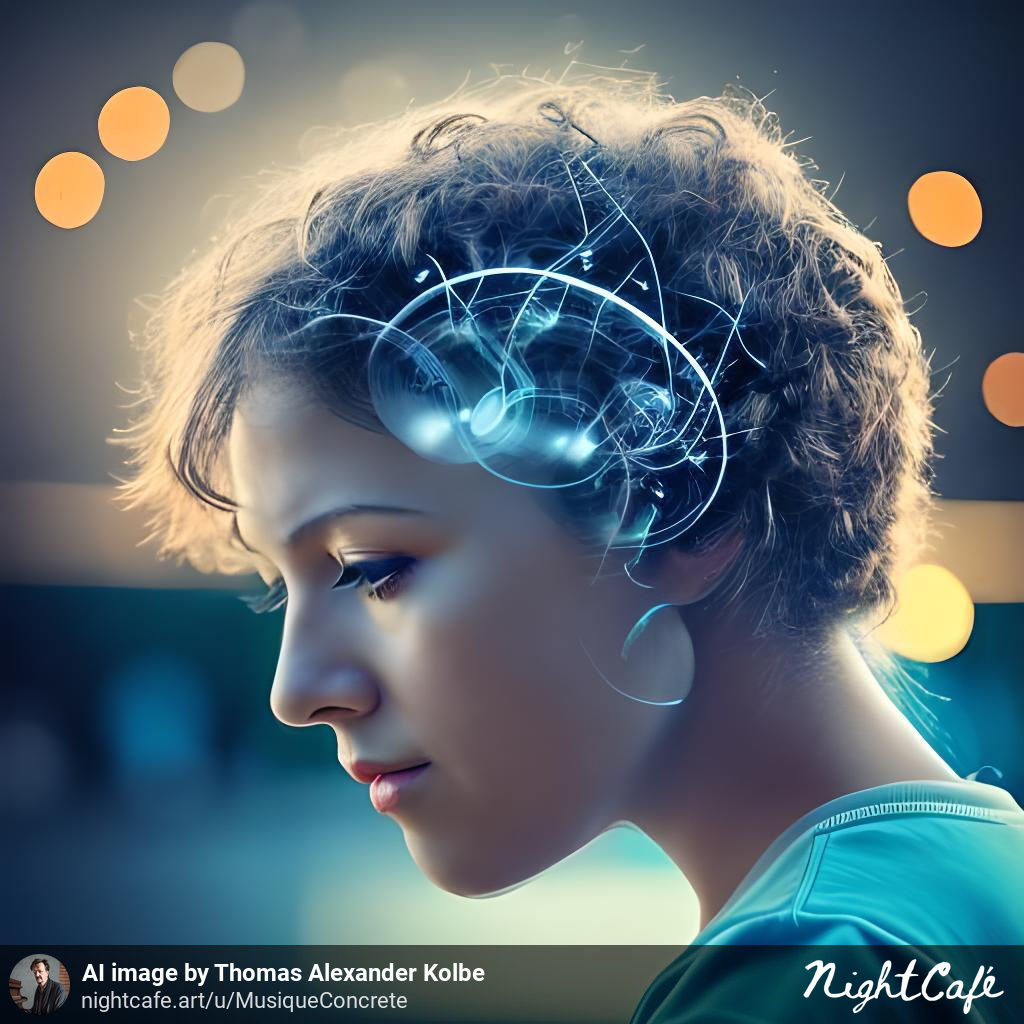
A Short Exploration of the Correlation between Neuroplasticity and Musical Brain
June 13, 2024
Author: Thomas Alexander Kolbe
Neuroplasticity, the brain’s remarkable ability to rewire itself by forming new neural connections, is a captivating subject. Music, a universal aspect of human experience, profoundly influences neuroplasticity. This essay delves into how various forms of music—including classical, modern, contemporary, and traditional music from China, Japan, and Korea—affect the brain. It also examines the impact of musical keys on neural activity and discusses the broader neural outcomes of these influences.
The Power of Music on Neuroplasticity
Music engages a multitude of brain regions, including those involved in auditory processing, motor control, emotion, and memory. This widespread engagement enhances neuroplasticity, yielding cognitive benefits such as improved memory, attention, and executive function.
Classical Music’s Impact
Classical music, known for its complexity and structure, stimulates brain areas linked to pattern recognition, spatial-temporal skills, and fine motor coordination. Research suggests that listening to classical compositions can enhance cognitive function and emotional well-being. The “Mozart effect,” for example, refers to the temporary boost in spatial-temporal reasoning observed after listening to Mozart’s music, highlighting classical music’s significant influence on the brain.
Modern and Contemporary Music
Modern and contemporary music, spanning genres like rock, pop, and electronic, engages the brain differently. With their strong rhythmic elements, these genres stimulate the brain’s reward system, releasing dopamine and creating feelings of pleasure and motivation. Additionally, modern music can enhance mood and reduce stress, contributing to mental health.
Traditional Music from East Asia
Traditional music from China, Japan, and Korea offers unique auditory experiences that influence the brain in distinct ways.
- Chinese Music: Characterized by pentatonic scales and rich melodies, Chinese traditional music features instruments like the guzheng and erhu. This music is known to stimulate brain areas associated with relaxation and meditation, helping to reduce anxiety and improve mood.
- Japanese Music: Traditional Japanese music, such as gagaku and shakuhachi, incorporates natural sounds and silence, promoting mindfulness and meditation. This fosters neuroplasticity by inducing a state of relaxed awareness, enhancing focus, and reducing stress.
- Korean Music: Traditional Korean music, including pansori and samul nori, involves rhythmic and vocal complexity. It engages the brain’s auditory and motor systems, boosting cognitive flexibility and emotional expression.
The Integrative Effects of Regional Music Styles
Combining or comparing different regional music styles can lead to integrative effects. For example, the soothing pentatonic scales in Chinese and Japanese music can balance the stimulating rhythms of Korean music, providing a holistic musical experience that promotes overall cognitive and emotional well-being.
The Influence of Musical Keys on the Brain
Different musical keys can evoke a range of emotional responses and affect the brain in various ways. Major keys are typically associated with positive emotions, while minor keys can evoke feelings of sadness or introspection. Studies have shown that:
- Major Keys: Music in major keys activates brain regions involved in reward and pleasure, such as the nucleus accumbens and the ventral tegmental area. This activation releases dopamine, leading to feelings of happiness and motivation.
- Minor Keys: Music in minor keys engages brain regions linked to emotional processing, such as the amygdala and the prefrontal cortex. This can evoke complex emotions and enhance emotional depth and empathy.
Neural Effects and Outcomes
Music’s influence on neuroplasticity extends to a variety of neural effects and outcomes, including:
- Cognitive Enhancement: Regular engagement with music, whether through listening or playing an instrument, improves memory, attention, and executive function by enhancing the brain’s ability to form and strengthen neural connections.
- Emotional Regulation: Music helps regulate emotions by activating brain regions involved in emotional processing, reducing stress, anxiety, and depression, and promoting overall mental health.
- Motor Skills: Playing an instrument enhances fine motor skills and coordination by engaging the brain’s motor cortex and cerebellum, improving the brain’s control and coordination of movement.
- Social Connectivity: Music fosters social bonds by activating brain regions associated with social cognition and empathy. Group musical activities enhance cooperation and social connections.
Conclusion
The interplay between neuroplasticity and music is profound, with various music types exerting unique influences on the brain. Classical, modern, and traditional music from China, Japan, and Korea each affect cognitive function, emotional well-being, and neural connectivity in distinct ways. Moreover, the key in which music is composed plays a crucial role in shaping emotional responses and brain activity. Understanding these connections can inform therapeutic practices and deepen our appreciation of music’s impact on the brain.
References
- Juslin, P. N., & Sloboda, J. A. (Eds.). (2010). Handbook of Music and Emotion: Theory, Research, Applications. Oxford University Press. Link
- Koelsch, S. (2015). Music-evoked Emotions: Principles, Brain Correlates, and Implications for Therapy. Annals of the New York Academy of Sciences, 1337(1), 193-201. Link
- Levitin, D. J. (2006). This Is Your Brain on Music: The Science of a Human Obsession. Penguin Group. Link
- Patel, A. D. (2008). Music, Language, and the Brain. Oxford University Press. Link
For further reading and resources, visit:
- Mozart Effect
- Music and Neuroplasticity
- Emotional Responses to Music
- Traditional Chinese Music and Relaxation
These references provide a thorough foundation for understanding the intricate relationship between neuroplasticity and the musical brain.
Note: Links to scientific studies may change. This is due to updates or the removal of sources. Please let me know if you encounter such a problem. Thank you. My email address is [email protected].