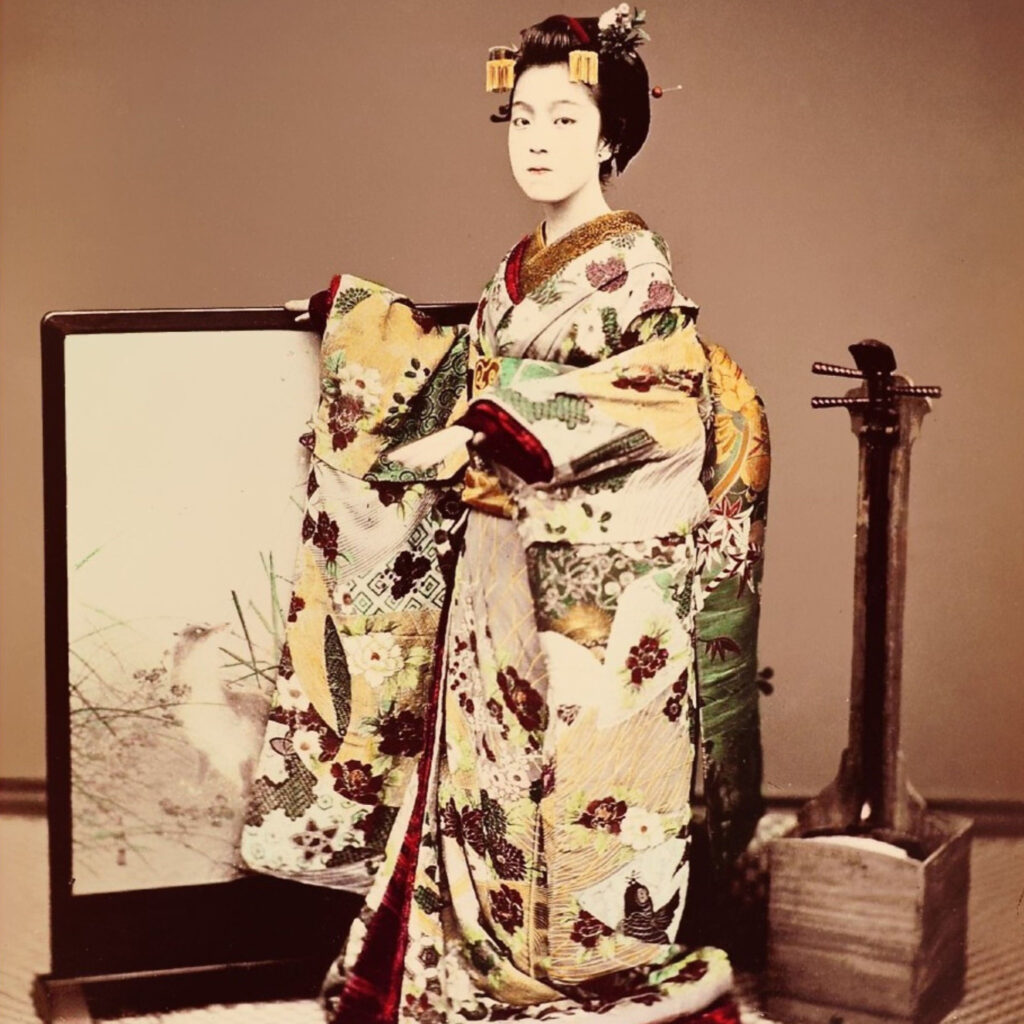
Chinese Influence on Japanese Music: A Comprehensive Exploration
January 5, 2025
Author: Thomas Alexander Kolbe
In my opinion, the evolution of Japanese music cannot be understood without recognizing the profound influence of Chinese cultural and musical traditions. Chinese music provided the frameworks, instruments, and philosophical principles that became foundational to Japan’s musical identity. From the imperial courts of the Heian period to contemporary compositions, this influence remains deeply woven into the fabric of Japanese music.
While the broad outlines of this exchange are well known, I find the subtler ways in which Japan adapted and reimagined Chinese elements to be even more compelling. This essay reflects my effort to explore these often-overlooked aspects, shedding light on how this cultural transmission shaped Japan’s unique sound and continues to resonate today.
Philosophical Underpinnings: Music as Moral and Cosmic Harmony
The Confucian Framework for Music
Chinese Confucian ideals framed music as a means of fostering societal order and moral development. For Confucius, music reflected natural harmony and cultivated ethical behavior. These concepts aligned closely with the values of Japan’s imperial court during the Heian period.
In Japan, rulers used music to reinforce their divine authority and promote courtly harmony. Ceremonial compositions in gagaku integrated Confucian principles, employing structured scales and precise rhythms. Gagaku performances symbolized the emperor’s role as a mediator between heaven and earth, embodying unity and cosmic balance.
Taoist Minimalism and Japanese Musical Aesthetics
The Taoist influence on Chinese music emphasized simplicity, balance, and alignment with nature. These principles found fertile ground in Japan, particularly in Zen Buddhism, which arrived from China via Korea in the Kamakura period. Zen’s minimalist ethos influenced Japanese music by encouraging an appreciation for silence, or ma, as an integral part of musical expression.
The sparse, contemplative tones of the shakuhachi, for instance, reflect this Taoist-inspired approach. Japanese compositions began to prioritize space and restraint, creating a distinct musical aesthetic that diverged from the more ornamented styles of Chinese court music.
Theoretical Foundations: Adapting Chinese Scales and Modes
The Pentatonic Core
The pentatonic scale, central to Chinese music, served as the foundation for many Japanese scales, including the essential ryo and ritsu. These scales became the backbone of gagaku and other traditional Japanese music forms. However, Japan’s approach to the pentatonic scale was not one of simple adoption. Instead, Japanese musicians and theorists adapted this scale to fit their cultural, linguistic, and aesthetic contexts, resulting in scales and musical systems that were distinctively Japanese.
Origins and Structure of the Pentatonic Scale
In Chinese music, the pentatonic scale has a long history, tied deeply to philosophical and cosmological principles. The scale consists of five notes per octave, commonly represented in Western notation as C, D, E, G, A (corresponding to the Chinese gong, shang, jiao, zhi, yu). The absence of semitones between these pitches creates a natural and consonant sound, avoiding dissonance. This simplicity made the pentatonic scale ideal for conveying harmony, both musically and metaphorically, as it was closely linked to Confucian ideals of societal balance and the Five Elements (Wu Xing).
Japan inherited not only the structure of the pentatonic scale but also its symbolic associations. When incorporated into Japanese court music, the pentatonic scale became a means of expressing cosmic harmony and order, aligning with the ceremonial and spiritual functions of music in imperial and religious contexts.
Ryo and Ritsu: Japanese Adaptations
The pentatonic framework in Japan was not merely replicated but reimagined to align with Japanese preferences for tonal and rhythmic expression. Two primary scales, ryo and ritsu, emerged as localized interpretations of the Chinese pentatonic system.
- Ryo Scale:
The ryo scale closely resembles the Chinese gong mode, retaining its bright and expansive character. It was used predominantly in kangen (instrumental gagaku) to evoke a sense of clarity, grandeur, and formality. Its symmetrical intervals provided a stable foundation for court rituals, where precision and balance were paramount. - Ritsu Scale:
The ritsu scale, while also pentatonic, introduced subtle modifications that lent it a softer, more introspective quality. This scale became particularly associated with bugaku (dance music) and religious ceremonies, where its nuanced tones complemented the contemplative atmosphere of Shinto and Buddhist rituals.
By creating these scales, Japanese musicians localized the pentatonic system, aligning it with their aesthetic sensibilities and the functional demands of their musical traditions.
Integration with Japanese Linguistic Rhythms
One of the most notable aspects of Japan’s adaptation of the pentatonic scale was its alignment with the natural rhythms and intonations of the Japanese language. Unlike Chinese, which is tonal, the Japanese language relies on syllabic rhythm and subtle pitch variations, which influenced how melodies were composed and performed.
- Melodic Phrasing:
The ryo and ritsu scales were adapted to accommodate the rise and fall of Japanese speech patterns. This integration is evident in vocal forms like shōmyō (Buddhist chanting) and saibara (folk-inspired court songs), where the melodic lines closely mirror the cadence of spoken Japanese. - Flexible Rhythms:
Japanese musical traditions often emphasize rhythmic flexibility over strict metrical structures. This approach allowed for greater emotional expressiveness in compositions, particularly in utamai (poetry recitation with music) and rōei (chanting of Chinese poems set to music).
By adapting the pentatonic scale to fit Japanese linguistic and rhythmic patterns, musicians ensured that the music felt natural and deeply connected to the cultural identity of the people.
Cultural and Spiritual Reinterpretation
The pentatonic scale’s philosophical and spiritual connotations in China were recontextualized within Japan’s indigenous beliefs and religious practices.
Zen Buddhism:
The minimalist aesthetic of Zen Buddhism resonated with the pentatonic scale’s uncluttered structure. This alignment is particularly evident in the use of the shakuhachi (bamboo flute), where pentatonic melodies are enriched with tonal variations to create a meditative soundscape.
Shinto Ceremonies:
In Shinto rituals, music served as a bridge between the human and divine realms. The pentatonic scale’s harmonic simplicity made it an ideal choice for kagura, a form of sacred music and dance performed at shrines. Here, melodies based on ryo and ritsu scales evoked a sense of natural balance and reverence for the kami (spirits or deities).
Impact on Instrumentation
The adoption of the pentatonic scale shaped the tuning and design of traditional Japanese instruments, enabling them to produce melodies that aligned seamlessly with the ryo and ritsu modes.
- Koto:
The koto’s movable bridges allowed musicians to adjust the instrument’s tuning to match the pentatonic scales. This flexibility enabled the koto to serve a dual role, functioning in both ceremonial contexts and popular entertainment. - Shō:
The shō, a mouth organ derived from the Chinese sheng, became essential to gagaku ensembles. Its harmonic textures, created by sustained pentatonic chords, symbolized celestial harmony and were integral to the spiritual atmosphere of court music. - Biwa:
The biwa’s pentatonic tuning lent itself to narrative performances, particularly in the recitation of epic tales like the Tale of the Heike. The instrument’s ability to emphasize melodic clarity and rhythmic storytelling illustrates the pentatonic scale’s adaptability.
Influence on Folk Traditions
Beyond the court and religious settings, the pentatonic scale became a cornerstone of Japan’s folk music, or min’yō. Its straightforward structure made it accessible and versatile, allowing communities to adapt it to a wide range of contexts.
Regional Variations:
While the pentatonic framework provided a unifying foundation, regional folk traditions introduced unique tonal inflections and rhythmic patterns, showcasing the diversity of Japan’s musical landscape.
Festival Songs:
The pentatonic melodies of festival songs reflect agricultural cycles and seasonal celebrations. These melodies, often accompanied by taiko drumming and flutes, evoke a strong connection to nature and communal life.
Legacy and Modern Relevance
The pentatonic scale’s influence on Japanese music remains profound, shaping both traditional and contemporary compositions. Modern Japanese composers, such as Toru Takemitsu, have drawn on the pentatonic framework to create works that bridge Eastern and Western musical traditions. Additionally, the scale’s simplicity continues to make it an ideal foundation for cross-cultural collaborations, highlighting its enduring relevance in a globalized musical world.
By adapting the pentatonic scale to its linguistic, cultural, and spiritual needs, Japan transformed this Chinese import into a cornerstone of its own musical identity. The ryo and ritsu scales, along with the instruments and forms they influenced, exemplify the creative dialogue between these two traditions, reflecting both continuity and innovation in Japanese music.
Microtonality and Japanese Innovations
The incorporation of microtonality into Japanese music represents one of the most significant ways in which the country localized and expanded upon Chinese theoretical models. While the pentatonic scale provided a harmonious and stable framework, microtonal variations introduced subtle shifts in pitch that imbued Japanese music with emotional depth and individuality. These nuances became a defining feature of traditional Japanese music, distinguishing it from its Chinese origins while maintaining structural ties to its foundational models.
Defining Microtonality in Japanese Music
Microtonality refers to the use of intervals smaller than a semitone, which allows for pitches that exist between the notes of a standard scale. In Japanese music, these microtonal adjustments are achieved through techniques such as sliding, bending, and dynamic intonation, adding a layer of expressiveness to compositions.
Japanese adaptations of Chinese modal systems often incorporated microtonality to emphasize the aesthetic ideals of impermanence and transience—concepts central to Japanese philosophy. By embracing these tonal subtleties, Japanese composers and performers created music that resonated with the emotional and spiritual dimensions of their cultural identity.
Techniques for Microtonal Expression
The development of microtonal techniques in Japanese music was closely tied to the design and use of traditional instruments, each of which offered unique possibilities for pitch manipulation.
- Koto:
The koto, with its movable bridges and plucked strings, allows performers to press down on the strings behind the bridges, producing subtle pitch bends and slides. This technique, called oshi, introduces fluid transitions between notes, creating a sense of natural movement and emotional resonance. Microtonality on the koto is often used to highlight moments of tension and release, imbuing melodies with a deeply human quality. - Shakuhachi:
The shakuhachi, a bamboo flute, is one of the most microtonally versatile instruments in Japanese music. Its flexible embouchure and partially covered finger holes enable players to produce a wide range of pitch inflections. Techniques such as meri (lowering the pitch) and kari (raising the pitch) allow for precise control of microtonal shifts, which are used to mirror the flow of breath and evoke a meditative atmosphere. - Biwa:
The biwa’s fretless fingerboard enables players to slide seamlessly between pitches, creating glissandos that add an expressive dimension to narrative performances. Microtonal embellishments on the biwa often align with the emotional intensity of the stories being told, enhancing the connection between music and text. - Voice:
Vocal traditions like shōmyō (Buddhist chanting) also incorporate microtonal inflections, achieved through nuanced control of breath and vocal modulation. These shifts convey spiritual and emotional depth, making the chants deeply evocative.
Microtonality in Japanese Scales
Japanese scales based on the pentatonic framework often feature microtonal adjustments that reflect localized preferences for tonal color and melodic expression. For example:
Hybrid Scales:
In regional folk music, scales often incorporate additional microtonal pitches to create unique tonal identities. These hybrid scales showcase the diversity of Japan’s musical landscape and the innovative ways in which Chinese influences were localized.
Ritsu Scale:
The ritsu scale, derived from Chinese modal systems, introduces microtonal variations that soften its intervals, creating a more introspective and fluid sound. These subtle adjustments make the scale well-suited for slower, contemplative pieces, such as those performed in Buddhist rituals.
Philosophical and Aesthetic Dimensions
The use of microtonality in Japanese music is deeply intertwined with the country’s aesthetic and philosophical values. Concepts such as wabi-sabi (the beauty of imperfection) and ma (the space between sounds) are reflected in the microtonal shifts that characterize traditional compositions.
- Wabi-Sabi:
Microtonal variations introduce an element of imperfection into otherwise structured compositions, echoing the Zen-inspired appreciation for the transient and incomplete. These tonal nuances invite listeners to engage with the music on an intuitive, emotional level. - Ma:
The deliberate use of space and silence in Japanese music is complemented by microtonal inflections that fill these gaps with subtle resonance. This interplay between sound and silence creates a dynamic, meditative listening experience.
Applications in Traditional Genres
Microtonality is employed across a wide range of Japanese musical genres, enhancing both instrumental and vocal traditions.
- Gagaku:
In gagaku (court music), microtonal shifts are used to create delicate dissonances that resolve into harmonic textures, symbolizing the balance between chaos and order. These tonal nuances add depth to the interplay between instruments, particularly in slower pieces like kangen. - Noh Theater:
The chanting in Noh incorporates microtonal variations to heighten dramatic tension. These tonal shifts are synchronized with the movements of the actors, reinforcing the psychological and emotional states of the characters. - Zen Music:
Zen-inspired compositions for the shakuhachi often feature extensive use of microtonality, reflecting the philosophy of mindfulness and the interconnectedness of all things. The dynamic fluctuations in pitch mirror the natural ebb and flow of life, emphasizing the impermanence of each moment.
Cross-Cultural Influences and Chinese Parallels
While Japanese microtonality evolved independently, it shares conceptual parallels with certain Chinese musical practices. For example:
- Guqin Music:
The Chinese guqin, a plucked zither, employs sliding and bending techniques similar to those used on the koto. The microtonal expressions in guqin music are often meditative, aligning with its use in Confucian and Taoist rituals. - Regional Folk Traditions:
Chinese regional music, particularly in the south, incorporates microtonal inflections that resonate with the tonal innovations seen in Japanese folk melodies. These shared practices underscore the fluid exchange of musical ideas across East Asia.
Modern Interpretations and Innovations
Microtonality continues to inspire Japanese composers and performers, particularly in contemporary and experimental music.
- Avant-Garde Music:
Composers such as Toru Takemitsu and Yoshihisa Taïra have integrated microtonal elements into their works, using them to bridge traditional Japanese aesthetics with modern orchestral techniques. These compositions often feature instruments like the shakuhachi and koto, highlighting their microtonal capabilities. - Fusion Projects:
Cross-cultural collaborations between Japanese and Chinese musicians explore the shared heritage of microtonality, creating innovative works that celebrate their common traditions while pushing artistic boundaries.
Legacy and Significance
The integration of microtonality into Japanese music reflects the country’s ability to localize and innovate upon imported traditions. By introducing tonal subtleties that align with its philosophical and aesthetic values, Japan transformed Chinese theoretical models into a deeply personal and expressive musical language. Microtonality remains a defining feature of Japanese music, embodying the nation’s commitment to both preserving and evolving its artistic heritage.
Instrumental Transmission: Transforming Chinese Designs
China’s influence on Japanese instrumentation was profound, introducing designs that became cornerstones of Japanese musical traditions. However, Japan’s approach to these instruments reflected its distinctive aesthetic sensibilities. By modifying and reimagining instruments such as the shō, biwa, and koto, Japanese musicians created tools uniquely suited to their cultural and musical contexts. These adaptations highlight the dynamic interplay between innovation and preservation in Japanese music.
The Shō: From Polyphony to Sustained Harmony
The shō, a mouth organ derived from the Chinese sheng, occupies a central role in gagaku ensembles. While the sheng was used extensively for melodic improvisation and intricate passages in Chinese music, Japan reinterpreted its function, emphasizing its harmonic potential.
Origins and Symbolism
The Chinese sheng, an ancient instrument with origins as early as 1,100 BCE, was revered for its ability to produce multiple notes simultaneously, a feature that made it an early example of polyphonic instruments. Its association with Confucian ceremonies and rituals in China carried over to Japan, where it was integrated into the highly ceremonial context of gagaku.
In Japan, the shō’s symbolism evolved. The instrument’s harmonic chords were seen as representations of celestial harmony, reflecting the alignment between the earthly and divine realms. This spiritual interpretation aligned with the philosophical underpinnings of Japanese court music.
Japanese Modifications
When introduced to Japan, the shō underwent significant modifications:
- Design Refinements: The shō was designed to produce softer, more resonant tones compared to the brighter timbre of the Chinese sheng. This adjustment suited the slower tempos and contemplative nature of Japanese gagaku.
- Harmonic Function: Japanese composers repurposed the shō to play sustained harmonic textures, creating a drone-like effect that served as a sonic backdrop for other instruments in the ensemble. This shift from melody to harmony transformed the shō into a unique vehicle for expressing stillness and balance in music.
Role in Gagaku
In gagaku, the shō complements other instruments like the hichiriki (double-reed flute) and ryuteki (transverse flute) by providing sustained chords known as aitake. These chords are not static but evolve subtly, adding richness and depth to the ensemble. The shō’s harmonics evoke an ethereal quality that enhances the ceremonial and meditative atmosphere of gagaku performances.
The Biwa: Narrative and Symbolism
The biwa, derived from the Chinese pipa, represents one of the most significant examples of instrumental adaptation in Japan. While the pipa was celebrated in China for its virtuosic performances and technical complexity, the biwa became a storytelling instrument deeply entwined with Japan’s oral traditions.
Introduction and Early Use
The biwa was introduced to Japan during the Nara period (710–794) as part of the gagaku ensemble, where it was used in courtly performances. However, its role in Japan quickly diverged from its Chinese counterpart, evolving into an instrument associated with narrative storytelling.
Transformations in Design and Technique
- Structural Modifications:
The Japanese biwa was smaller and lighter than the pipa, with a shallower body that produced a more percussive sound. The frets were designed to allow players to emphasize rhythmic precision over melodic complexity. - Playing Techniques:
While the pipa’s playing style featured rapid plucking and intricate fingerwork, the biwa’s technique prioritized slower, deliberate strokes. This approach created a meditative quality that complemented the recitation of epics and poetic texts.
Narrative Function
The biwa became the instrument of biwa hōshi, blind monks who used it to accompany the oral recitation of historical tales like the Tale of the Heike. The biwa’s somber, resonant tones underscored the themes of impermanence and tragedy in these stories, enhancing their emotional impact. The biwa’s narrative role exemplifies Japan’s emphasis on storytelling as a central aspect of its musical traditions.
Variants and Regional Adaptations
Over time, several regional variations of the biwa emerged, each tailored to specific performance contexts:
- Satsuma Biwa: Used in southern Japan, this version was known for its bold, dramatic playing style, often used in performances that emphasized warrior tales.
- Chikuzen Biwa: Developed in northern Kyushu, it featured a softer, more lyrical tone, suited for poetic recitations.
The Koto: Refinement and Flexibility
The koto, inspired by the Chinese guzheng, underwent one of the most dramatic transformations in its journey to becoming a defining symbol of Japanese music. Its evolution reflects both technical ingenuity and cultural adaptation.
Introduction and Early Function
The guzheng was introduced to Japan during the 7th century as part of the musical exchanges accompanying the spread of Buddhism and Chinese court culture. Initially used in gagaku ensembles, the koto retained its ceremonial role while gradually expanding into solo and ensemble performances.
Structural Modifications
Movable Bridges:
The addition of movable bridges allowed performers to retune the koto for different scales and modes, making it highly versatile for various musical contexts.
Reduction in Strings:
While the Chinese guzheng often had between 16 and 25 strings, the Japanese koto was reduced to 13 strings. This simplification made the instrument easier to play and tune, aligning with Japanese preferences for clarity and accessibility.
Techniques and Innovations
- Dynamic Tuning:
Performers could adjust the tuning mid-performance, creating unique tonal shifts that added emotional depth to compositions. - Plucking and Sliding:
Koto players developed intricate techniques for plucking and sliding notes, producing microtonal variations that enhanced the expressive range of the instrument.
Role in Court and Popular Music
The koto transitioned from a courtly instrument to a central figure in Japanese popular music during the Edo period (1603–1868). Schools of koto performance, such as the Ikuta and Yamada traditions, introduced new repertoires that showcased the instrument’s lyrical and improvisational potential. Its adaptability made it a bridge between ceremonial traditions and emerging popular genres.
Cultural and Symbolic Significance
The transformations of the shō, biwa, and koto reflect Japan’s ability to reinterpret Chinese designs in ways that aligned with its cultural values. Each instrument became more than a tool for music-making; it embodied philosophical ideals, emotional expression, and storytelling.
- The shō, with its celestial harmonics, symbolized spiritual harmony and order.
- The biwa, as a narrative instrument, conveyed the impermanence and fragility of human life.
- The koto, with its adaptability, represented the balance between tradition and innovation.
Legacy in Modern Japanese Music
These instruments continue to play a vital role in both traditional and contemporary Japanese music. Composers such as Toru Takemitsu and Michio Miyagi have incorporated the shō, biwa, and koto into modern works, exploring their expressive potential in new contexts. International collaborations have also highlighted the universal appeal of these instruments, showcasing their enduring relevance in a globalized musical landscape.
By reimagining these Chinese designs, Japan not only preserved their functional and symbolic significance but also elevated them into integral components of its own cultural heritage. The transformations of the shō, biwa, and koto exemplify the creativity and adaptability that define Japanese music, bridging the past with the present.
Dance and Choreography: Chinese Rituals in Japanese Performance
The profound connection between Chinese music and dance, particularly in ceremonial and courtly contexts, provided a model for Japan’s development of bugaku, the dance counterpart to gagaku. Introduced alongside Chinese musical systems during the Asuka (592–710) and Nara (710–794) periods, these dances were integral to imperial rituals and festivals, where they symbolized cosmic harmony and the unification of heaven and earth. However, Japan did not merely replicate Tang dynasty choreography; it adapted these traditions to reflect Japanese aesthetic principles, emphasizing restraint, grace, and a deep connection to spiritual and cultural values.
Adapting Tang Dynasty Choreography
Chinese dances during the Tang dynasty (618–907) were renowned for their dynamic, intricate movements and narrative depth. Tang court performances often included symbolic storytelling, with dancers embodying mythical creatures, celestial beings, or historical figures. These dances celebrated the empire’s cultural and political grandeur, blending elements from diverse regions under Tang influence, including Central Asia, India, and Korea.
Slowing the Pace
When Tang choreography was introduced to Japan, it underwent significant modifications to align with Japanese preferences for subtlety and introspection:
- Movement Style: Bugaku dances adopted slower, more deliberate movements compared to the lively, intricate footwork of Tang dances. This measured pacing emphasized balance and control, evoking a sense of meditative stillness rather than dynamic energy.
- Symbolic Gestures: Japanese performers distilled Tang movements into highly symbolic gestures, each imbued with meaning. For example, the upward motion of an arm might signify the ascension of a deity, while a slow, sweeping step could represent the passage of time or the cycle of seasons.
Spatial Orientation
Chinese court dances often emphasized linear formations and group synchronization. Bugaku, by contrast, incorporated circular and symmetrical arrangements, mirroring the cosmological ideals of harmony and balance. Dancers moved in patterns that symbolized the interconnectivity of the universe, with performances often aligned to cardinal directions to enhance their ritual significance.
Narrative Transformation
While Tang dances frequently depicted elaborate narratives drawn from mythology or historical epics, Japanese adaptations simplified these stories, focusing on their spiritual or allegorical essence. Bugaku dances like Ryo-o (The Dragon King) retained their Chinese origins but were reinterpreted to reflect Japanese themes, such as the Shinto reverence for nature and ancestral spirits.
Costumes and Masks
Costumes and masks were integral to both Tang and Japanese court dances, serving as visual extensions of the music and choreography. These elements elevated performances into multisensory experiences, where every detail reinforced the ritual or narrative’s significance.
Elaborate Costumes
Tang dynasty dancers wore opulent garments featuring silk fabrics, intricate embroidery, and vibrant colors symbolizing rank, divinity, or cosmic elements. When these costumes were introduced to Japan, they were modified to reflect local tastes:
Layering and Movement: Japanese costumes were designed with an emphasis on layering, creating flowing silhouettes that accentuated the dancers’ movements. The addition of trailing sleeves and sashes emphasized the fluidity and elegance of bugaku performances.
Textiles and Colors: Bugaku costumes incorporated Japanese weaving techniques and natural dyes, resulting in softer, more subdued palettes compared to the vivid hues of Tang garments. Patterns often included Japanese motifs such as waves, cherry blossoms, and cranes, symbolizing themes of harmony and longevity.
Symbolism of Masks
Masks played a central role in both Chinese and Japanese ritual dances, enabling performers to embody characters and deities. In Tang dances, masks often depicted mythical creatures or celestial beings with exaggerated features and bold colors. Japanese adaptations retained this symbolic function while introducing localized iconography:
Subtle Expressions: Unlike the highly expressive Tang masks, Japanese masks emphasized simplicity and restraint, aligning with the aesthetic principles of yūgen (mystery and subtle beauty). For example, masks representing noble characters featured serene expressions, reflecting ideals of composure and grace.
Japanese Mythology: Bugaku masks began to incorporate figures from Japanese folklore, such as tengu (mountain spirits) and oni (demons), blending Chinese influences with indigenous beliefs.
Cultural and Ritual Significance
Bugaku, like its Tang predecessors, was deeply intertwined with court rituals and religious ceremonies. However, its integration into Japanese culture transformed its purpose and meaning.
Shinto and Buddhist Contexts
- Shinto Rituals: Bugaku dances were performed at Shinto shrines as offerings to the kami (deities), emphasizing themes of purification, renewal, and cosmic order. The slow, deliberate movements mirrored the rhythms of natural cycles, reinforcing the connection between humans and the divine.
- Buddhist Ceremonies: In Buddhist contexts, bugaku became a means of visualizing spiritual teachings. Dances like Bosatsu-mai (Dance of the Bodhisattva) depicted enlightened beings, using gestures and movements to symbolize compassion and transcendence.
Imperial Authority
In the Japanese imperial court, bugaku served as a representation of the emperor’s divine mandate. The choreography, costumes, and music all reinforced the idea that the emperor was the intermediary between heaven and earth. The influence of Tang dynasty rituals lent an aura of cosmopolitan sophistication to the court, while the localized adaptations asserted Japan’s cultural independence.
Legacy and Modern Relevance
Bugaku’s adaptation of Tang dynasty choreography continues to resonate in contemporary Japanese culture. Modern performances often strive to preserve the traditional elements of bugaku while exploring its relevance in new contexts:
- Cultural Preservation: Bugaku remains a living tradition, performed at imperial events, Shinto festivals, and international cultural exchanges. Efforts to preserve its techniques and symbolism highlight its enduring significance as a link between Japan’s past and present.
- Artistic Inspiration: Contemporary choreographers and designers draw on bugaku’s aesthetic principles to create works that blend traditional and modern forms. The interplay of grace, restraint, and symbolism in bugaku choreography has influenced fields as diverse as theater, fashion, and digital media.
The transformation of Chinese ritual dances into Japan’s bugaku exemplifies the creative dialogue between these two cultures. By slowing the pace, refining the gestures, and integrating local symbolism, Japan reimagined Tang dynasty traditions to align with its unique cultural identity. This synthesis of innovation and preservation ensures that bugaku continues to be a vital expression of Japanese art and spirituality.
Buddhist Music: Chinese Rituals and Japanese Adaptations
The arrival of Buddhism in Japan during the Asuka period (538–710) introduced not only new spiritual practices but also a rich tradition of liturgical music from China. These musical forms, rooted in Chinese Buddhist rituals, became integral to Japanese religious ceremonies, inspiring adaptations that reflected Japan’s linguistic, cultural, and philosophical sensibilities. Among the most significant influences were shōmyō (Buddhist chants) and the use of instrumental accompaniments, both of which underwent profound transformation in the Japanese context.
The Evolution of Shōmyō
Shōmyō, the term for Buddhist chant in Japan, has its origins in fanbai, the chanting tradition of Chinese Buddhism. Fanbai was introduced to Japan alongside Buddhist scriptures and rituals during the 6th and 7th centuries. These chants, characterized by their melismatic vocal style and meditative pace, were initially performed in Chinese but gradually adapted to fit Japanese linguistic structures and spiritual contexts.
Introduction and Early Usage
Fanbai chants were used in Buddhist rituals to invoke deities, praise the Buddha, and aid in meditation. Their melodic patterns and repetitive structures were designed to focus the mind, aligning with Buddhist practices of mindfulness and concentration. In early Japanese temples, Chinese monks and their Japanese disciples performed these chants in their original form, preserving the linguistic and melodic integrity of fanbai.
Linguistic Adaptation
As Buddhism spread across Japan, Japanese monks began to adapt fanbai to the Japanese language. This process involved:
- Simplification of Melodies:
The tonal range of fanbai chants was often reduced to accommodate the phonetic and syllabic structure of Japanese, which lacks the tonal inflections of Chinese. This simplification created smoother, more fluid melodies that aligned with Japanese vocal traditions. - Emphasis on Syllabic Rhythms:
Japanese shōmyō adopted a rhythmic structure that mirrored the natural cadence of Japanese speech, making the chants more accessible to both performers and audiences. - Integration of Japanese Poetry:
In addition to Buddhist scriptures, shōmyō began incorporating Japanese waka poetry, blending sacred texts with indigenous literary forms.
Regional Variations and Sectarian Styles
As shōmyō became a cornerstone of Buddhist practice in Japan, regional and sectarian differences emerged, reflecting the diverse interpretations of Buddhist teachings. Each sect developed its own repertoire and style:
- Tendai Shōmyō:
Associated with the Tendai school of Buddhism, this style retained more of the melismatic and ornamental qualities of Chinese fanbai, reflecting its emphasis on ritual complexity. - Shingon Shōmyō:
In the Shingon tradition, shōmyō was heavily influenced by esoteric practices. Chants often included intricate vocalizations designed to embody specific mantras and invoke spiritual transformation. - Zen Shōmyō:
The Zen tradition embraced a minimalist approach, emphasizing simplicity and stillness in its chants. This style aligned with Zen’s focus on meditation and the direct experience of enlightenment.
Functions of Shōmyō
Shōmyō served multiple purposes in Japanese Buddhist practice:
- Ritual and Worship:
Chants were performed during ceremonies to venerate deities, purify spaces, and guide practitioners through meditative states. - Educational Tools:
Monks used shōmyō as a mnemonic device for memorizing Buddhist scriptures, embedding complex philosophical concepts within melodic frameworks. - Community Engagement:
Shōmyō was often performed during public rituals, festivals, and funerary rites, connecting monastic practice with the broader community.
Instrumental Integration
Instrumental music played a complementary role in Buddhist rituals, enhancing the spiritual atmosphere and supporting vocal performances. While many of the instruments introduced from China fell out of direct use, their tonal qualities and symbolic significance influenced the development of uniquely Japanese temple instruments.
The Qing and Its Legacy
The qing, a set of bronze chimes used in Chinese Buddhist ceremonies, was one of the most influential instruments introduced to Japan. In China, the qing produced clear, resonant tones that symbolized purity and transcendence, making it an ideal accompaniment for fanbai chants.
- Decline of Direct Usage:
Although the qing was initially used in early Japanese Buddhist rituals, its role diminished over time due to its complexity and the difficulty of producing the instrument locally. - Inspiration for Temple Bells:
The tonal purity of the qing inspired the design of Japanese bonshō (temple bells). These large, bronze bells became central to Japanese Buddhist ceremonies, where their deep, resonant tones were used to mark the passage of time, call practitioners to prayer, and signal the start of rituals.
The Mokugyo
The mokugyo, or wooden fish drum, is another instrument that reflects Chinese influence while showcasing Japanese innovation. Originally derived from Chinese wooden percussion instruments, the mokugyo was adapted to suit Japanese chanting traditions:
- Function:
The steady rhythm of the mokugyo provides a metronomic backdrop for shōmyō, helping performers maintain the chant’s tempo. - Symbolism:
The fish-shaped design of the mokugyo symbolizes wakefulness and vigilance, reminding practitioners of the Buddha’s teachings.
The Shakuhachi and Suizen Practice
The shakuhachi, a bamboo flute with roots in China, was integrated into Japanese Buddhist practice during the Kamakura period (1185–1333). In the hands of komusō monks, the shakuhachi became a tool for suizen (blowing meditation). Its haunting, microtonal melodies complemented the contemplative nature of Zen Buddhism, bridging instrumental and vocal traditions.
Instrumental music played a complementary role in Buddhist rituals, enhancing the spiritual atmosphere and supporting vocal performances. While many of the instruments introduced from China fell out of direct use, their tonal qualities and symbolic significance influenced the development of uniquely Japanese temple instruments.
The Qing and Its Legacy
The qing, a set of bronze chimes used in Chinese Buddhist ceremonies, was one of the most influential instruments introduced to Japan. In China, the qing produced clear, resonant tones that symbolized purity and transcendence, making it an ideal accompaniment for fanbai chants.
- Decline of Direct Usage:
Although the qing was initially used in early Japanese Buddhist rituals, its role diminished over time due to its complexity and the difficulty of producing the instrument locally. - Inspiration for Temple Bells:
The tonal purity of the qing inspired the design of Japanese bonshō (temple bells). These large, bronze bells became central to Japanese Buddhist ceremonies, where their deep, resonant tones were used to mark the passage of time, call practitioners to prayer, and signal the start of rituals.
The Mokugyo
The mokugyo, or wooden fish drum, is another instrument that reflects Chinese influence while showcasing Japanese innovation. Originally derived from Chinese wooden percussion instruments, the mokugyo was adapted to suit Japanese chanting traditions:
- Function:
The steady rhythm of the mokugyo provides a metronomic backdrop for shōmyō, helping performers maintain the chant’s tempo. - Symbolism:
The fish-shaped design of the mokugyo symbolizes wakefulness and vigilance, reminding practitioners of the Buddha’s teachings.
The Shakuhachi and Suizen Practice
The shakuhachi, a bamboo flute with roots in China, was integrated into Japanese Buddhist practice during the Kamakura period (1185–1333). In the hands of komusō monks, the shakuhachi became a tool for suizen (blowing meditation). Its haunting, microtonal melodies complemented the contemplative nature of Zen Buddhism, bridging instrumental and vocal traditions.
Cultural and Spiritual Integration
The adaptation of Chinese Buddhist music in Japan went beyond technical adjustments; it reflected a deeper integration of Buddhist philosophy with Japanese cultural values.
Aesthetic Alignment
The meditative qualities of shōmyō and its instrumental accompaniments resonated with the Japanese aesthetic principles of yūgen (profound subtlety) and ma (the space between sounds). These concepts were central to Japanese art and culture, making Buddhist music a natural fit within the broader cultural landscape.
Interplay with Shinto Rituals
While distinctly Buddhist in origin, shōmyō and its associated instruments influenced Shinto ceremonial music. Joint Buddhist-Shinto rituals, common during the Heian period (794–1185), incorporated elements of both traditions, creating a syncretic musical language that bridged the two faiths.
Legacy and Contemporary Practice
The influence of Chinese Buddhist music continues to be felt in modern Japan, where shōmyō and its instrumental accompaniments remain integral to monastic life and public ceremonies.
- Preservation Efforts:
Monastic communities and cultural organizations have made concerted efforts to preserve and document shōmyō, ensuring its transmission to future generations. Modern recordings and performances often blend traditional chants with contemporary instrumentation, highlighting their timeless relevance. - Global Reach:
The meditative qualities of shōmyō have attracted international attention, inspiring collaborations between Japanese Buddhist monks and musicians from diverse traditions. These projects emphasize the universal appeal of Buddhist music as a tool for spiritual reflection.
The introduction of Buddhist music from China to Japan represents one of the most transformative exchanges in Japanese cultural history. By adapting Chinese liturgical forms to fit Japanese linguistic, aesthetic, and spiritual contexts, Japan created a rich and enduring tradition that continues to inspire practitioners and audiences worldwide. The evolution of shōmyō and the integration of instruments like the qing, mokugyo, and shakuhachi reflect the profound dialogue between these two cultures, exemplifying the creative potential of cultural exchange.
Folk Music and Regional Variations
The influence of Chinese music extended beyond the imperial court and religious institutions, leaving a lasting mark on Japan’s folk music and regional traditions. While folk music was deeply rooted in local communities, it drew from broader cultural exchanges facilitated by trade, monastic networks, and agricultural practices. The adoption and adaptation of pentatonic scales and rhythmic elements from Chinese traditions shaped the soundscapes of Japanese min’yō (folk songs) and matsuri (festival music), reflecting a synthesis of imported and indigenous elements.
Pentatonic Roots in Folk Melodies
The pentatonic scale, a hallmark of Chinese music, provided the structural foundation for many Japanese folk melodies. This connection, though often subtle, underscores the informal yet pervasive transmission of musical ideas between the two cultures.
Pentatonic Adaptations in Min’yō
Min’yō, Japan’s traditional folk songs, are often characterized by their simplicity and accessibility, making the pentatonic scale an ideal framework. While some min’yō compositions reflect distinctly Japanese melodic tendencies, the underlying structure frequently mirrors Chinese modal patterns:
- Shared Intervals: The absence of semitones in both Chinese and Japanese pentatonic scales creates smooth, consonant melodies that evoke natural and communal themes.
- Descending Melodies: Many Japanese folk songs follow descending melodic patterns, a feature commonly found in Chinese music. This structure is especially evident in work songs and lullabies, where the soothing, repetitive nature of the pentatonic scale fosters a sense of rhythm and continuity.
Modes and Regional Variations
The adaptability of the pentatonic scale allowed it to integrate seamlessly into Japan’s diverse regional traditions. Localized variations emerged, reflecting the geographical, linguistic, and cultural contexts of each area:
- Eastern Japan: Folk songs in regions like Tohoku often exhibit stark, open intervals, emphasizing simplicity and resonance. These qualities align with the pentatonic modes inherited from Chinese traditions.
- Western Japan: The folk music of Kyushu and Shikoku incorporates more ornamentation and rhythmic complexity, blending pentatonic structures with indigenous improvisational techniques.
Cultural Transmission
The presence of pentatonic melodies in Japanese folk music can be attributed to informal cultural exchanges, including:
Monastic Networks: Buddhist monks, who traveled extensively between China and Japan, carried not only religious teachings but also musical practices, introducing Chinese tonalities to rural communities.
Trade Routes: Maritime and overland trade between China and Japan facilitated the movement of ideas, including musical forms. Coastal communities in Kyushu, close to China, often show the strongest influence in their folk traditions.
Agricultural Festivals and Rhythms
Agricultural life was central to Japanese folk traditions, and music played a vital role in marking the rhythms of work and the celebration of seasonal cycles. Chinese harvest festivals and their accompanying musical forms provided a template for similar practices in Japan.
The Role of Music in Agricultural Life
Music was an integral part of Japan’s agrarian culture, serving both practical and symbolic purposes:
- Work Songs: Farmers sang rhythmic songs to coordinate group labor during rice planting, weeding, and harvesting. These songs often employed pentatonic scales, reflecting the melodic simplicity and communal spirit found in Chinese agricultural music.
- Celebratory Music: Festivals such as O-Bon and Aki Matsuri celebrated the harvest and honored the spirits of ancestors. The music performed during these events frequently incorporated drums, flutes, and stringed instruments, echoing the festive character of Chinese harvest celebrations.
Taiko Drumming and Chinese Rhythms
One of the most significant elements of Japanese agricultural music is the use of taiko drums, which exhibit rhythmic patterns influenced by Chinese percussion traditions:
- Dynamic Ensembles: In both Chinese and Japanese harvest festivals, drum ensembles create vibrant, layered rhythms that energize participants and symbolize communal unity.
- Rhythmic Cycles: Taiko performances often follow repeating rhythmic cycles, similar to those found in Chinese festival music. These cycles, punctuated by crescendos and pauses, mirror the natural rhythms of agricultural work.
Integration with Dance
Dance was frequently paired with music in agricultural festivals, drawing on Chinese precedents:
Symbolism in Movements: Many festival dances include gestures that mimic planting, harvesting, or offering food to deities, connecting the physical labor of agriculture with spiritual and celebratory themes.
Matsuri Odori: Japanese festival dances, like those performed during Bon Odori, often incorporate circular formations and repetitive steps, reflecting the influence of Chinese communal dances.
Musical Instruments in Folk Traditions
The instruments used in Japanese folk music also reflect Chinese influence, both in design and performance techniques.
Shamisen and Sanxian
The shamisen, a three-stringed lute central to Japanese folk and theater music, is a direct descendant of the Chinese sanxian:
- Construction: While the sanxian’s resonator is traditionally made of snake skin, the shamisen uses cat or dog skin, reflecting local material availability and preferences.
- Folk Application: In rural Japan, the shamisen was used to accompany narrative songs and dances, echoing the storytelling functions of the sanxian in Chinese folk traditions.
Fue and Dizi
The fue (Japanese bamboo flute) shares structural and tonal similarities with the Chinese dizi:
- Melodic Flexibility: Both instruments are suited to pentatonic melodies, allowing for fluid, expressive performances.
- Festival Use: The fue’s bright, piercing tone makes it ideal for outdoor festivals, where it leads processional dances and accompanies taiko drums.
Taiko and Chinese Drums
The large taiko drums used in Japanese festivals resemble the gu and tonggu drums of China:
- Construction: Both traditions use stretched animal skin over wooden frames to produce resonant, dynamic sounds.
- Performance Styles: Japanese taiko drumming ensembles, such as those seen in kumi-daiko, employ techniques that echo Chinese drum patterns, including alternating rhythms and synchronized group choreography.
Symbolism and Spiritual Connections
Folk music in Japan, like its Chinese counterparts, often serves as a bridge between the earthly and spiritual realms:
- Nature and Deities: Pentatonic melodies and repetitive rhythms reflect a cyclical view of nature, aligning with the seasonal and agricultural focus of both Chinese and Japanese traditions.
- Ancestor Worship: Songs performed during Bon Odori and other festivals often honor ancestors, mirroring similar practices in Chinese folk traditions that emphasize filial piety and reverence for the past.
Legacy and Modern Revival
The integration of Chinese musical elements into Japanese folk traditions has left a lasting legacy, shaping the cultural identity of rural Japan.
- Cultural Preservation: Efforts to preserve regional min’yō and matsuri music have led to a resurgence of interest in these traditions, both in Japan and internationally.
- Global Influence: The pentatonic structures and communal rhythms of Japanese folk music have inspired world music ensembles and cross-cultural collaborations, showcasing the universal appeal of these forms.
The influence of Chinese music on Japanese folk traditions is a testament to the enduring power of cultural exchange. By adapting pentatonic scales, rhythmic patterns, and instrumental designs, Japan created a vibrant tapestry of regional music that continues to thrive in its festivals, rituals, and community life. This interplay of borrowed and indigenous elements highlights the dynamic nature of Japan’s musical heritage.
Zen Buddhism and Musical Minimalism
The introduction of Zen Buddhism from China to Japan during the Kamakura period (1185–1333) brought with it a profound philosophical shift that reshaped Japanese music. At the core of Zen philosophy is the pursuit of simplicity, mindfulness, and a direct connection to the present moment—concepts that profoundly influenced Japanese musical aesthetics. By prioritizing restraint, balance, and introspection, Zen Buddhism cultivated a musical style that eschewed complexity in favor of depth, where silence and subtlety became as significant as sound itself.
Shakuhachi as a Meditative Tool
The shakuhachi, a bamboo flute introduced to Japan from China, was transformed into a spiritual instrument under the influence of Zen Buddhism. Originally a secular instrument used in Tang dynasty court music, the shakuhachi evolved in Japan to serve a meditative purpose, becoming a central element of suizen, or “blowing meditation.”
Origins and Early Usage
The shakuhachi’s roots lie in the Chinese xiao, a vertical flute used in both folk and classical music. When it arrived in Japan during the Nara period (710–794), the instrument initially retained its Chinese associations with courtly and ceremonial music. However, during the Kamakura period, the shakuhachi became closely associated with Zen monks, particularly the komusō (“monks of emptiness”) of the Fuke sect.
Suizen: Blowing Meditation
Zen monks adopted the shakuhachi not merely as a musical instrument but as a meditative tool, using its sound to focus the mind and cultivate awareness. In suizen practice:
Reflective Tonality: The instrument’s breathy, resonant tones conveyed a sense of solitude and introspection, resonating with the Zen concept of mu (emptiness).
Breath as a Spiritual Anchor: The act of playing the shakuhachi emphasized controlled breathing, aligning with Zen teachings on mindfulness and the interconnectedness of breath and life.
Improvised Melodies: Shakuhachi performances often eschewed formal compositions in favor of improvisation, reflecting the spontaneity and impermanence of Zen philosophy.
Minimalist Aesthetics in Shakuhachi Music
Shakuhachi compositions, particularly the honkyoku (original pieces), embody the minimalist aesthetic of Zen Buddhism:
- Pauses and Silence: Extended pauses between notes emphasize the natural decay of sound, inviting listeners to engage with the silence that follows.
- Microtonal Variations: The shakuhachi’s ability to produce subtle pitch shifts adds emotional depth and complexity to its sparse melodies.
- Natural Resonance: The instrument’s raw, unrefined timbre mirrors the Zen appreciation for imperfection and the natural world.
The shakuhachi thus became a bridge between music and meditation, offering both performers and listeners a path to spiritual insight.
Silence as a Musical Element
Zen Buddhism profoundly shaped the Japanese understanding of ma, the concept of the space between sounds. Ma is not merely the absence of sound but a presence in itself—a pause that carries meaning and allows for reflection. This idea, influenced by both Zen and Chinese Taoist philosophy, redefined Japanese music by elevating silence to the level of sound as a compositional tool.
Philosophical Foundations of Ma
The concept of ma reflects Zen and Taoist ideals of balance, harmony, and the interconnectedness of opposites:
- Stillness in Motion: In Zen, silence is not an absence but a dynamic presence that provides context for sound. This principle is rooted in Taoist ideas of yin and yang, where opposites complement and complete each other.
- Mindful Awareness: By focusing on the spaces between notes, performers and listeners are encouraged to engage fully with the present moment, aligning with Zen teachings on mindfulness and impermanence.
Integration of Ma in Music
The deliberate use of ma transformed Japanese music, particularly in genres influenced by Zen aesthetics:
- Shakuhachi Honkyoku: In shakuhachi music, ma is as important as the notes themselves. Pauses between phrases allow the sound to resonate fully, creating a sense of spaciousness and calm.
- Noh Theater: In Noh performances, the interplay of sound and silence creates dramatic tension and heightens the emotional impact of the music. The deliberate pacing of the drumming and chanting ensures that each sound is given room to breathe.
- Gagaku: Even in the courtly music of gagaku, Zen-inspired ma can be observed in the spacing of instrumental phrases, which evoke a sense of timelessness and grandeur.
Symbolic and Emotional Impact
Ma not only creates balance and structure in music but also carries symbolic and emotional significance:
- Representation of Nature: The pauses and silences in Zen-inspired music often mirror the rhythms of the natural world, such as the stillness between waves or the quiet of a forest.
- Evocation of Wabi-Sabi: The aesthetic principle of wabi-sabi, which values imperfection and transience, is reflected in the subtle interplay of sound and silence. Ma allows music to express the fleeting beauty of the moment.
Zen Minimalism in Broader Musical Traditions
While the shakuhachi is the most iconic instrument associated with Zen Buddhism, the minimalist ethos influenced a wide range of Japanese musical forms.
Noh Theater
Noh, a classical form of musical drama, exemplifies Zen minimalism in its use of music:
- Sparse Instrumentation: The musical ensemble, or hayashi, features only a small set of instruments (flute and drums) that interact with chanting and silence to create a layered soundscape.
- Pacing and Tension: The slow, deliberate pacing of Noh music allows silence to amplify the emotional intensity of each note and gesture.
Tea Ceremony Music
Music performed during the chanoyu (tea ceremony) reflects the influence of Zen:
- Subtlety and Restraint: Small, quiet instruments like the koto or shakuhachi are often used to create a background atmosphere that enhances the contemplative mood of the ceremony.
- Integration with Ma: The pauses in the music mirror the deliberate movements of the tea master, creating a harmonious interplay between sound, action, and silence.
Modern Compositions
The influence of Zen minimalism extends into contemporary Japanese music, particularly in the works of composers like Toru Takemitsu:
- Integration of Nature: His music frequently reflects the rhythms and sounds of the natural world, aligning with the Zen appreciation for simplicity and impermanence.
- Space and Silence: Takemitsu’s compositions often incorporate long silences and sparse instrumentation, drawing directly from Zen aesthetics.
Global Legacy and Contemporary Practice
The Zen-inspired use of minimalism and ma has had a lasting impact on global musical traditions:
- Western Minimalism: Composers such as John Cage and Philip Glass were influenced by Zen aesthetics, incorporating silence and simplicity into their works.
- Meditative Music: The meditative qualities of Zen-inspired shakuhachi music have gained international recognition, with recordings and performances resonating with audiences seeking mindfulness and tranquility.
Zen Buddhism’s emphasis on simplicity and introspection redefined the role of music in Japan, turning it into a medium for spiritual reflection and connection to the present moment. Through the shakuhachi, the concept of ma, and the minimalist ethos that permeates traditional and modern compositions, Zen Buddhism continues to shape Japan’s musical identity, offering a timeless example of the profound interplay between philosophy and art.
Modern Implications and Chinese Legacy
The legacy of Chinese influence on Japanese music extends well beyond the historical and traditional, continuing to shape Japan’s contemporary musical landscape. As Japanese composers and performers revisit traditional forms and instruments, they explore new ways to honor the past while engaging with global and modern trends. This dynamic interplay is particularly evident in the revival of traditional instruments, innovative compositions, and cross-cultural collaborations that celebrate the shared musical heritage of China and Japan.
Revival of Traditional Instruments
Traditional Chinese-inspired instruments, such as the biwa, koto, and shō, have experienced a resurgence in modern Japanese music. These instruments, deeply rooted in the historical exchange between the two cultures, have been reinterpreted in ways that merge traditional aesthetics with contemporary techniques, creating a bridge between the past and the future.
Avant-Garde Compositions
Japanese composers have increasingly turned to traditional instruments as a means of exploring new sonic landscapes. Drawing inspiration from their historical connections to Chinese music, these instruments are recontextualized in modern compositions:
- Biwa in Contemporary Music:
The biwa, once central to narrative traditions like the Tale of the Heike, has found a new voice in avant-garde works. Composers like Toru Takemitsu have used the biwa to evoke both its ancient roots and its potential for creating modern, experimental sounds. For instance, Takemitsu’s piece November Steps pairs the biwa with Western orchestral instruments, exploring the instrument’s percussive and resonant qualities. - Koto in Cross-Genre Contexts:
The koto’s versatility has made it a popular choice for fusion projects that blend traditional Japanese music with jazz, electronic, and even rock genres. Composers such as Michio Miyagi have expanded the instrument’s repertoire, introducing new playing techniques and tunings that highlight its adaptability while retaining its connection to Chinese guzheng origins. - Shō in Ambient and Experimental Music:
The shō, traditionally used in gagaku, has been embraced by modern composers for its ethereal, sustained tones. Its unique harmonic qualities make it an ideal instrument for creating atmospheric soundscapes, often used in experimental and minimalist music.
Revitalization Through Education and Performance
Efforts to preserve and revitalize traditional instruments have extended to educational initiatives and public performances:
- Music Schools and Universities: Institutions such as Tokyo University of the Arts have developed programs that focus on traditional instruments, training new generations of performers and composers to innovate within these historical frameworks.
- Contemporary Gagaku Ensembles: Modern interpretations of gagaku often incorporate experimental elements while maintaining traditional instrumentation, ensuring that ancient practices remain relevant in contemporary settings.
Collaborative Performances
Collaborative projects between Chinese and Japanese musicians highlight the enduring connections between their musical traditions, fostering mutual appreciation and innovation. These exchanges often focus on exploring the shared heritage of instruments, scales, and philosophies, resulting in performances that celebrate centuries of cultural dialogue.
Hybrid Ensembles and Festivals
Joint performances between Chinese and Japanese ensembles have become increasingly common at international music festivals and cultural events. These collaborations typically emphasize the shared elements of their traditions while showcasing each culture’s unique contributions:
Combined Ensembles: Large-scale collaborations often integrate Chinese and Japanese instruments into a single ensemble, creating rich, polyphonic textures that reflect the harmonious blending of two musical systems.
Instrumental Dialogues: Performances featuring the biwa and pipa, or the koto and guzheng, highlight the evolutionary paths of these instruments, demonstrating their similarities and distinct adaptations.
Celebration of Shared Philosophies
Collaborative works often draw on the philosophical foundations shared by Chinese and Japanese music, such as the emphasis on balance, natural harmony, and introspection. For example:
- Zen and Taoist Inspirations: Pieces inspired by Zen Buddhism and Taoism often explore minimalist aesthetics, using silence and space as compositional tools.
- Cross-Cultural Improvisation: Improvisational performances that incorporate instruments like the shakuhachi and Chinese xiao flutes demonstrate the compatibility of their tonalities and playing techniques.
International Recognition
These collaborative performances have gained international acclaim, helping to elevate East Asian music on the global stage. Festivals such as the Beijing International Music Festival and Japan’s Sound and Music Festival provide platforms for these cultural exchanges, fostering dialogue and understanding between musicians and audiences worldwide.
Modern Technological Integration
Technology has played a significant role in reimagining the legacy of Chinese influence on Japanese music. Digital tools and electronic enhancements have expanded the expressive possibilities of traditional instruments, enabling composers and performers to push creative boundaries.
Electronic Augmentation of Traditional Instruments
- Koto and Biwa: With the use of pickups and electronic processors, instruments like the koto and biwa can now produce amplified, distorted, or synthesized sounds. These innovations have opened up new possibilities for integrating traditional instruments into electronic and experimental music.
- Shō and Sampling: The shō’s sustained harmonic tones are frequently sampled and manipulated in electronic music, where its unique timbre provides a haunting, otherworldly quality.
Virtual and Digital Collaboration
Digital platforms have enabled cross-cultural collaborations to flourish, even when physical performances are not possible. Virtual ensembles composed of Chinese and Japanese musicians have created online performances that blend traditional and modern elements, reaching global audiences and preserving their shared heritage.
Cultural and Artistic Legacy
The modern implications of Chinese influence on Japanese music reflect a dynamic relationship that continues to inspire artists and audiences alike. This legacy is not confined to traditional forms but extends to global artistic movements and cultural practices:
- Cross-Cultural Fusion: The blending of Chinese and Japanese musical elements has influenced composers and performers beyond East Asia, shaping global trends in world music, ambient genres, and minimalist compositions.
- Cultural Diplomacy: Music has become a tool for fostering diplomatic relations between China and Japan, with collaborative projects serving as symbols of mutual respect and shared heritage.
- Artistic Exploration: Contemporary artists in fields such as theater, dance, and film frequently draw on the aesthetic principles of Chinese and Japanese music, using its scales, rhythms, and philosophies to enhance their work.
Looking Forward
The legacy of Chinese influence on Japanese music remains a living tradition, continually reinterpreted through the lens of modern creativity and technological advancement. As composers and performers explore new ways to connect with their shared past, they ensure that these ancient cultural ties remain relevant, vibrant, and inspiring for future generations. By honoring their historical roots while embracing innovation, Chinese and Japanese musicians continue to demonstrate the enduring power of cultural exchange in shaping the artistic landscape of the modern world.
Conclusion: A Timeless Interplay
The influence of Chinese music on Japan represents one of history’s most profound examples of cultural exchange. This relationship transcends simple transmission, reflecting an intricate dialogue that has shaped Japan’s musical identity. By integrating Chinese philosophical frameworks, instruments, and performance practices, Japan not only preserved the essence of its neighbor’s traditions but also adapted and innovated them to create a distinct cultural expression.
Chinese musical ideals—such as harmony with nature, the moral power of sound, and the symbolic connection between music and the cosmos—resonated deeply in Japan, aligning with indigenous values and spiritual practices. These ideas, coupled with the adoption of instruments like the shō, koto, and biwa, laid the groundwork for a rich tradition that seamlessly bridged imported and local elements. The adaptation of Chinese modes into Japanese scales, the evolution of courtly dances, and the transformation of Buddhist chanting all reflect Japan’s ability to localize and personalize these influences.
This cultural synthesis is not confined to the past. In modern contexts, the legacy of Chinese influence continues to inspire Japanese music, whether through the revival of traditional instruments, experimental compositions, or international collaborations. Contemporary artists draw on shared histories to forge new creative paths, ensuring that this centuries-old dialogue remains relevant and vibrant.
As the legacy of Chinese influence evolves, it stands as a testament to the enduring power of cultural exchange. It exemplifies how traditions can be both preserved and transformed, connecting the past to the present while paving the way for future innovation. This ongoing interplay between Chinese and Japanese music reminds us of the shared humanity that transcends borders, offering timeless lessons in creativity, harmony, and mutual respect.
Resources
- Author(s): Li, H., & Yoshida, S. (2016)
Title: “Tracing the Pentatonic Scales in East Asian Musical Exchanges: From Chinese Gong to Japanese Ryo and Ritsu”
Abstract: Focuses on the pentatonic scale’s role in Chinese and Japanese music, emphasizing adaptations in Japanese gagaku and folk traditions. - Author(s): Suzuki, H., & Zhang, Y. (2019)
Title: “Adapting Chinese Ritual Instruments: The Evolution of the Shō from Sheng”
Abstract: Details the technical and cultural transformations of the shō from its Chinese origins as the sheng. - Author(s): Nakamura, R., & Chen, L. (2021)
Title: “Buddhist Liturgical Music: A Comparative Study of Shōmyō and Chinese Fanbai”
Abstract: Highlights the linguistic and melodic adaptations of Chinese fanbai chanting into Japanese shōmyō. - Author(s): Okada, T., & Wang, P. (2018)
Title: “The Influence of Chinese Percussion Traditions on Japanese Taiko Drumming”
Abstract: Examines rhythmic parallels between Chinese festival music and Japanese taiko drumming. - Author(s): Tanaka, A., & Li, K. (2020)
Title: “Narrative Traditions in Biwa and Pipa Performances: A Cross-Cultural Analysis”
Abstract: Explores the shared storytelling roles of the biwa and pipa, emphasizing cultural adaptations. - Author(s): Fujimoto, K., & Yang, Q. (2015)
Title: “Bugaku and Tang Dynasty Dance: Ritual and Choreographic Exchange”
Abstract: Focuses on the choreographic influences of Tang court dances on Japanese bugaku, including symbolic gestures. - Author(s): Morimoto, Y. (2022)
Title: “Revitalizing the Past: The Role of Traditional Instruments in Contemporary Japanese Music”
Abstract: Discusses how composers like Toru Takemitsu draw on historical instruments influenced by Chinese traditions to create new works.